

Authored by Caliverse Fitness Experts, drawing on years of experience in bodyweight training and digital fitness instruction.
Embarking on a fitness journey can feel overwhelming, but what if you could build incredible strength, control, and a powerful physique using just your own body? That’s the essence of calisthenics. It’s an accessible and effective way to train anywhere, anytime, without needing expensive gym memberships or specialized equipment. This guide will show you how to start calisthenics, laying a strong foundation for a sustainable and rewarding fitness path.
To start calisthenics, begin by mastering fundamental bodyweight exercises like push-ups, squats, and planks, focusing on proper form over quantity. Gradually increase difficulty through progressive overload techniques, such as adjusting leverage or increasing repetitions. Consistency, proper warm-ups, and cool-downs are crucial for building foundational strength and avoiding injury, making it an ideal journey for beginners to advanced athletes.
What is calisthenics and why should you start?
Calisthenics is a form of strength training that uses your own body weight as resistance. Derived from the Greek words “kallos” (beauty) and “sthenos” (strength), it emphasizes mastering control over your body through exercises like push-ups, pull-ups, squats, and dips. It’s more than just working out; it’s about developing functional strength, flexibility, and coordination.
Bodyweight training: The foundation of movement
Think of calisthenics as the ultimate functional training. Every movement you perform in daily life, from standing up to reaching for something, relies on your body’s ability to move efficiently against gravity. Bodyweight training enhances this innate capability, making you stronger and more agile in everyday activities.
The benefits of calisthenics for beginners
For newcomers, calisthenics offers a welcoming entry point into fitness with numerous advantages:
- Accessible Anywhere: No gym? No problem. You can train at home, in a park, or even while traveling.
- Builds Functional Strength: Develops real-world strength that translates into improved performance in other sports and daily tasks.
- Enhances Body Control and Awareness: Learn to move your body efficiently and understand its capabilities.
- Improves Mobility and Flexibility: Many exercises naturally increase your range of motion and flexibility.
- Boosts Body Composition: Consistent training helps build lean muscle mass and reduce body fat.
- Cost-Effective: Minimal to no equipment required initially, saving you money.
How to start calisthenics: Essential principles for beginners
Success in calisthenics, especially when you’re just getting started, hinges on a few core principles. These aren’t just rules; they’re the foundation upon which all progress is built.
Master the fundamentals: Basic calisthenics exercises
Before attempting advanced skills, focus on perfecting the basic movements. These are your building blocks:
- Push-Ups: Start on your knees or against a wall if needed, gradually progressing to full push-ups on the floor.
- Bodyweight Squats: Focus on depth and keeping your heels on the ground.
- Lunges: Great for leg strength and balance.
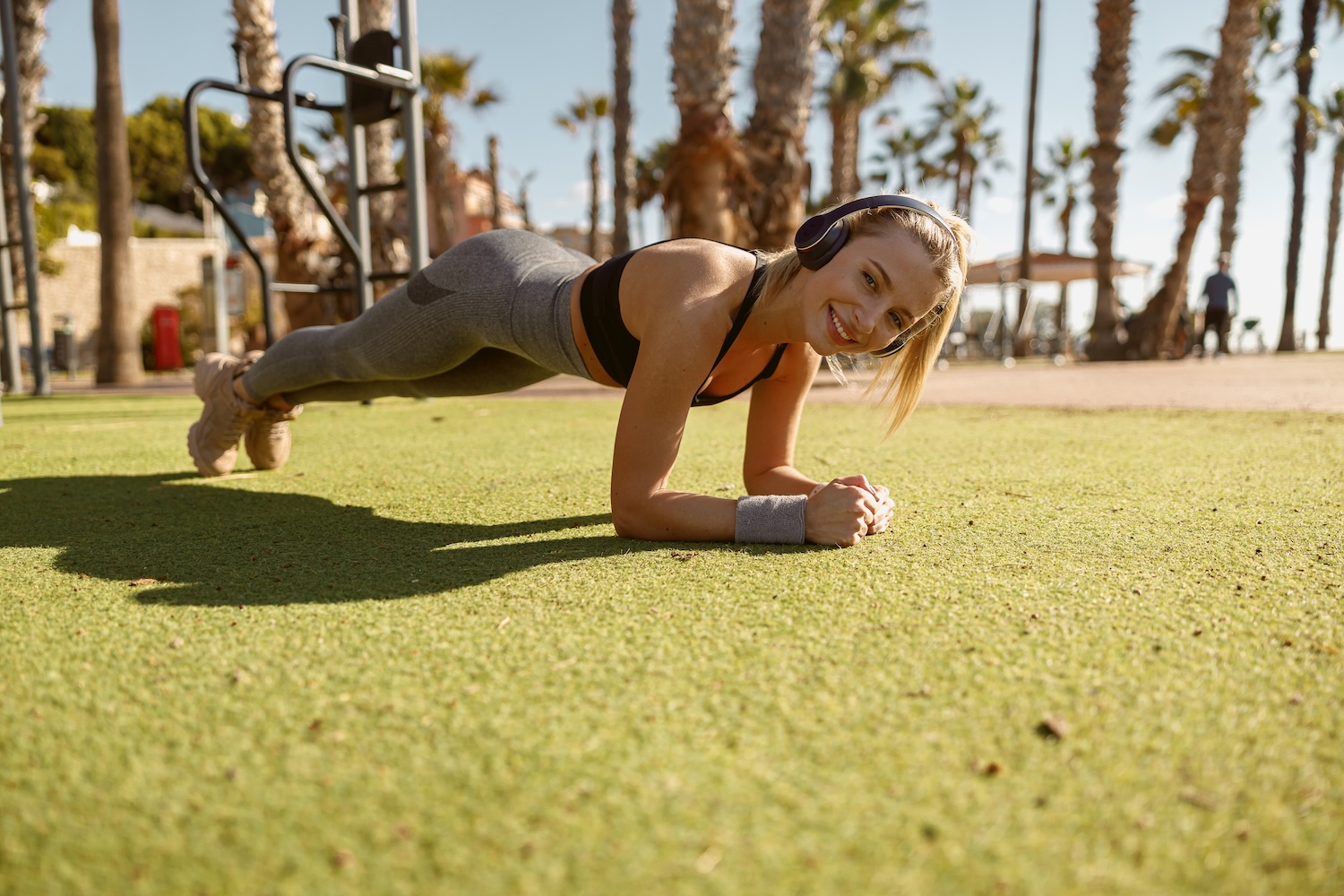
- Planks: Essential for core stability. Hold for time, focusing on a straight line from head to heels.
- Inverted Rows: If you have access to a sturdy table or low bar, these are excellent for back and biceps, preparing you for pull-ups.
- Assisted Pull-Ups: Using a resistance band or a chair can help you build strength for full pull-ups.
The power of progressive overload in bodyweight training
Progressive overload is how you get stronger. It means continually challenging your muscles as they adapt. In calisthenics, this looks different from simply adding more weight.
Here’s how to apply progressive overload:
- Increase Reps and Sets: More repetitions or additional sets of an exercise.
- Decrease Rest Time: Shorter breaks between sets make the workout more intense.
- Increase Time Under Tension: Slow down the movement (eccentric phase) or hold the peak contraction longer.
- Change Leverage: Modify the exercise to make it harder (e.g., elevate feet for push-ups).
- Advance to Harder Variations: Move from knee push-ups to full push-ups, or from full push-ups to decline push-ups.
This systematic approach ensures constant improvement, differentiating your progress from simply going through the motions.
Form over everything: Preventing injuries
Improper form is the fastest way to hit a plateau or get injured. Always prioritize correct technique, even if it means doing an easier variation of an exercise. Watch instructional videos, practice in front of a mirror, and consider filming yourself to review your movements. A solid foundation in form ensures safer and more effective workouts.
Consistency is key to your calisthenics journey
Results don’t appear overnight. Regular, consistent effort is paramount. Aim for 3-4 structured workouts per week, allowing adequate rest and recovery between sessions. This consistent engagement builds strength, endurance, and muscle memory.
Building your first calisthenics workout routine
Creating a routine might seem daunting, but it’s straightforward once you understand the basic components. A well-structured routine for beginners focuses on full-body movements.
Sample beginner calisthenics workout plan
Here’s a template you can adapt for your initial weeks. Aim for 2-3 sets of 8-12 repetitions for each exercise (or hold for time for planks), resting 60-90 seconds between sets.
- Warm-up (5-10 minutes): Light cardio (jogging in place, jumping jacks) and dynamic stretches (arm circles, leg swings, torso twists).
- The Workout (30-45 minutes):
- Bodyweight Squats: 3 sets x 10-15 reps
- Push-ups (Knee or Full): 3 sets x as many reps as possible (AMRAP) with good form
- Lunges: 3 sets x 8-12 reps per leg
- Plank: 3 sets x 30-60 second hold
- Inverted Rows (if possible): 3 sets x 8-12 reps
- Beginner Core Exercise (e.g., Leg Raises, Crunches): 3 sets x 15-20 reps
- Cool-down (5-10 minutes): Static stretches, holding each for 20-30 seconds (e.g., triceps stretch, hamstring stretch, chest stretch).
Perform this routine 2-3 times a week on non-consecutive days (e.g., Monday, Wednesday, Friday) to allow for muscle recovery.
Fueling your progress: Nutrition and recovery
Your body needs the right fuel and sufficient rest to adapt and grow stronger.
- Nutrition: Focus on a balanced diet rich in lean proteins for muscle repair, complex carbohydrates for energy, and healthy fats for overall health. Hydration is also critical.
- Recovery: Aim for 7-9 hours of quality sleep per night. Listen to your body and take rest days when needed. Active recovery, like light walking or stretching, can also aid in muscle recovery.
Overcoming challenges and staying motivated
Every fitness journey has its ups and downs. Staying committed to your calisthenics training requires resilience and smart strategies.
Common beginner hurdles and solutions
- Lack of Strength: It’s normal! Start with easier variations and focus on perfect form. Strength will come with consistency.
- Plateaus: When progress stalls, revisit progressive overload techniques. Change your exercise variations, increase volume, or decrease rest.
- Time Constraints: Even 20-30 minute workouts are effective. Focus on consistency over duration.
- Lack of Motivation: Find an accountability partner, track your progress to see how far you’ve come, or set small, achievable goals.
Finding support: The calisthenics community
Connecting with others who share your passion can be incredibly motivating. Online forums, social media groups, and local street workout communities offer a wealth of knowledge, encouragement, and inspiration. Learning from experienced practitioners can accelerate your growth and keep your enthusiasm high.
Elevate your training with a digital coach
While mastering the basics independently is empowering, a structured approach can significantly accelerate your progress and keep you on track. This is where a digital coach, like the Caliverse app, becomes an invaluable tool.

Athlete using Caliverse during workout
Caliverse offers a unique advantage by providing structured, linear progression that adapts as you get stronger. Unlike generic AI fitness coaches that might offer random workouts, Caliverse focuses on helping you acquire specific calisthenics skills through carefully designed programs. You’ll find a vast library of professional video tutorials that guide you through each movement with correct form, ensuring you maximize your efforts and prevent injuries.
With Caliverse, you can access expertly crafted workout plans and even connect with professional trainers through the Mentoring program for personalized coaching. The app’s robust progress tracking features allow you to monitor your journey, celebrate milestones, and stay motivated as you build impressive strength and body control. It’s the ideal partner for anyone serious about mastering their body and seeing tangible results.
Conclusion
Starting your calisthenics journey is a commitment to building a stronger, more capable you, right from home. By understanding how to start calisthenics with fundamental exercises, embracing progressive overload, and prioritizing form and consistency, you’re setting yourself up for success. This isn’t just about physical strength; it’s about developing discipline, resilience, and a deeper connection with your body. Take the first step today, and let the Caliverse app be your guide to unlocking your full bodyweight potential.
Frequently asked questions about starting calisthenics
What exactly is calisthenics? Calisthenics is a form of strength training that utilizes your own body weight as resistance to build muscle, improve endurance, and enhance flexibility. Exercises typically include movements like push-ups, squats, pull-ups, and planks, focusing on mastering body control and functional strength rather than external weights.
Can beginners truly start with calisthenics? Absolutely! Calisthenics is highly adaptable for all fitness levels, especially beginners. You can start with modified versions of exercises, such as knee push-ups or assisted squats, and gradually progress to more challenging variations as your strength and confidence grow. The key is to focus on proper form and consistent practice.
What are the best calisthenics exercises for beginners? For beginners, focus on foundational movements that target major muscle groups. Excellent starting exercises include bodyweight squats, knee push-ups (progressing to full push-ups), lunges, planks, and inverted rows (using a sturdy table or low bar). These build a strong base for more advanced skills.
How often should a beginner do calisthenics workouts? Most beginners benefit from training calisthenics 2-3 times per week on non-consecutive days. This schedule allows sufficient time for muscle recovery and growth. As you advance, you might increase frequency or split your workouts to target different muscle groups. Consistency is more important than intensity in the early stages.
Do I need any special equipment to start calisthenics? Not necessarily! The beauty of calisthenics is its accessibility. You can start with zero equipment, using just your body weight. As you progress, a pull-up bar, resistance bands, and possibly parallettes can enhance your training options, but they are not essential for beginning your journey.
Will calisthenics help me build muscle and get stronger? Yes, calisthenics is highly effective for building muscle mass and significant functional strength. By applying the principle of progressive overload – continuously challenging your muscles with harder exercise variations, more repetitions, or reduced rest – you stimulate muscle growth and adapt your body to increasing demands.
About the author : Daniels